Dfs Algorithm / Topological Sorting using Depth First Search (DFS) / The data structure which is being used in dfs is stack.
Dfs Algorithm / Topological Sorting using Depth First Search (DFS) / The data structure which is being used in dfs is stack.. Push the root node (in other words, put the root node into the beginning of the stack). Dfs is known as the depth first search algorithm which provides the steps to traverse each and every node of a graph without repeating any node. Stack data structure is used in the implementation of depth first search. The dfs algorithm works as follows: The process is similar to bfs algorithm.
The purpose of the algorithm is to mark each vertex as visited while avoiding cycles. To implement dfs traversal, you need to utilize a stack. Stack data structure is used in the implementation of depth first search. A spanning tree is a graph that is devoid of loops. This algorithm is the same as depth first traversal for a tree but differs in maintaining a boolean to check if …
 Topological Sorting - GeeksforGeeks from i0.wp.com
This algorithm is the same as depth first traversal for a tree but differs in maintaining a boolean to check if … Push the root node (in other words, put the root node into the beginning of the stack). A standard dfs implementation puts each vertex of the graph into one of two categories: The purpose of the algorithm is to mark each vertex as visited while avoiding cycles. Dfs uses a strategy that searches “deeper” in the graph whenever possible. It is used for traversing or searching a graph in a systematic fashion. The process is similar to bfs algorithm. The following graph shows the order in which the nodes are discovered in dfs:
The following graph shows the order in which the nodes are discovered in dfs:
To implement dfs traversal, you need to utilize a stack. It is used for traversing or searching a graph in a systematic fashion. The dfs algorithm works as follows: Dfs algorithm uses the idea of backtracking, in which one node is selected as the root node and it starts traversing them one by one. This algorithm is the same as depth first traversal for a tree but differs in maintaining a boolean to check if … The following graph shows the order in which the nodes are discovered in dfs: The process is similar to bfs algorithm. A standard dfs implementation puts each vertex of the graph into one of two categories: Dfs algorithm is used to perform the searching and traversing for the data structure like tree and graph. The data structure which is being used in dfs is stack. Dfs is known as the depth first search algorithm which provides the steps to traverse each and every node of a graph without repeating any node. The algorithm, then backtracks from the dead end towards the most recent node that is yet to be completely unexplored. Start by putting any one of the graph's vertices on top of a stack.
Dfs uses a strategy that searches “deeper” in the graph whenever possible. The data structure which is being used in dfs is stack. This algorithm is the same as depth first traversal for a tree but differs in maintaining a boolean to check if … The purpose of the algorithm is to mark each vertex as visited while avoiding cycles. The algorithm starts at the root node (selecting some arbitrary node as the root node in the case of a graph) and explores as far as possible along each branch before backtracking.
 Big O notation cheat sheet | Download cheat sheet | La from i0.wp.com
A spanning tree is a graph that is devoid of loops. Start by putting any one of the graph's vertices on top of a stack. In dfs, the edges that leads to an unvisited node are called discovery edges while the edges that leads to an already visited node. Dfs algorithm is used to perform the searching and traversing for the data structure like tree and graph. A standard dfs implementation puts each vertex of the graph into one of two categories: The dfs algorithm works as follows: This algorithm is the same as depth first traversal for a tree but differs in maintaining a boolean to check if … One starts at the root (selecting some arbitrary node as the root for a graph) and explore as far as possible along each branch before backtracking.
While doing the dfs algorithm, it first chooses the left node before the right node and starts traversing.
Push the root node (in other words, put the root node into the beginning of the stack). Dfs algorithm uses the idea of backtracking, in which one node is selected as the root node and it starts traversing them one by one. Depth first search or dfs is a graph traversal algorithm. The purpose of the algorithm is to mark each vertex as visited while avoiding cycles. A spanning tree is a graph that is devoid of loops. The process is similar to bfs algorithm. Dfs is known as the depth first search algorithm which provides the steps to traverse each and every node of a graph without repeating any node. The algorithm, then backtracks from the dead end towards the most recent node that is yet to be completely unexplored. Dfs algorithm is used to perform the searching and traversing for the data structure like tree and graph. It is used for traversing or searching a graph in a systematic fashion. The data structure which is being used in dfs is stack. The following graph shows the order in which the nodes are discovered in dfs: While doing the dfs algorithm, it first chooses the left node before the right node and starts traversing.
This algorithm is the same as depth first traversal for a tree but differs in maintaining a boolean to check if … Push the root node (in other words, put the root node into the beginning of the stack). The algorithm, then backtracks from the dead end towards the most recent node that is yet to be completely unexplored. A spanning tree is a graph that is devoid of loops. Dfs algorithm is used to perform the searching and traversing for the data structure like tree and graph.
 Introduction to Algorithms - GeeksforGeeks from i1.wp.com
The dfs algorithm works as follows: Depth first search or dfs is a graph traversal algorithm. This algorithm is the same as depth first traversal for a tree but differs in maintaining a boolean to check if … While doing the dfs algorithm, it first chooses the left node before the right node and starts traversing. The algorithm starts at the root node (selecting some arbitrary node as the root node in the case of a graph) and explores as far as possible along each branch before backtracking. The following graph shows the order in which the nodes are discovered in dfs: Stack data structure is used in the implementation of depth first search. In dfs, the edges that leads to an unvisited node are called discovery edges while the edges that leads to an already visited node.
The algorithm, then backtracks from the dead end towards the most recent node that is yet to be completely unexplored.
The algorithm, then backtracks from the dead end towards the most recent node that is yet to be completely unexplored. Dfs is known as the depth first search algorithm which provides the steps to traverse each and every node of a graph without repeating any node. The purpose of the algorithm is to mark each vertex as visited while avoiding cycles. One starts at the root (selecting some arbitrary node as the root for a graph) and explore as far as possible along each branch before backtracking. Stack data structure is used in the implementation of depth first search. The following graph shows the order in which the nodes are discovered in dfs: Push the root node (in other words, put the root node into the beginning of the stack). The process is similar to bfs algorithm. While doing the dfs algorithm, it first chooses the left node before the right node and starts traversing. The data structure which is being used in dfs is stack. To implement dfs traversal, you need to utilize a stack. In dfs, the edges that leads to an unvisited node are called discovery edges while the edges that leads to an already visited node. Dec 21, 2020 · dfs algorithm.
In dfs, the edges that leads to an unvisited node are called discovery edges while the edges that leads to an already visited node dfs The process is similar to bfs algorithm.
A spanning tree is a graph that is devoid of loops. The following graph shows the order in which the nodes are discovered in dfs: The algorithm starts at the root node (selecting some arbitrary node as the root node in the case of a graph) and explores as far as possible along each branch before backtracking. The purpose of the algorithm is to mark each vertex as visited while avoiding cycles. One starts at the root (selecting some arbitrary node as the root for a graph) and explore as far as possible along each branch before backtracking.
The dfs algorithm works as follows: In dfs, the edges that leads to an unvisited node are called discovery edges while the edges that leads to an already visited node. The following graph shows the order in which the nodes are discovered in dfs: The algorithm starts at the root node (selecting some arbitrary node as the root node in the case of a graph) and explores as far as possible along each branch before backtracking. The process is similar to bfs algorithm.
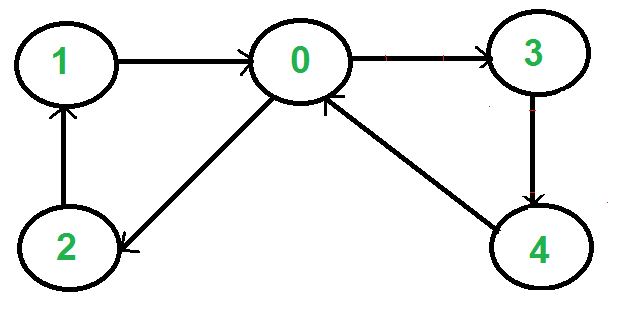
While doing the dfs algorithm, it first chooses the left node before the right node and starts traversing. A spanning tree is a graph that is devoid of loops. The following graph shows the order in which the nodes are discovered in dfs: The data structure which is being used in dfs is stack. The algorithm starts at the root node (selecting some arbitrary node as the root node in the case of a graph) and explores as far as possible along each branch before backtracking.

Push the root node (in other words, put the root node into the beginning of the stack). The data structure which is being used in dfs is stack. It is used for traversing or searching a graph in a systematic fashion. The purpose of the algorithm is to mark each vertex as visited while avoiding cycles. The process is similar to bfs algorithm.
A standard dfs implementation puts each vertex of the graph into one of two categories: The dfs algorithm works as follows: This algorithm is the same as depth first traversal for a tree but differs in maintaining a boolean to check if … Dec 21, 2020 · dfs algorithm. Push the root node (in other words, put the root node into the beginning of the stack).

The algorithm starts at the root node (selecting some arbitrary node as the root node in the case of a graph) and explores as far as possible along each branch before backtracking. The purpose of the algorithm is to mark each vertex as visited while avoiding cycles. The algorithm, then backtracks from the dead end towards the most recent node that is yet to be completely unexplored. A standard dfs implementation puts each vertex of the graph into one of two categories: Dfs algorithm is used to perform the searching and traversing for the data structure like tree and graph.

Stack data structure is used in the implementation of depth first search. The process is similar to bfs algorithm. The following graph shows the order in which the nodes are discovered in dfs: Dfs is known as the depth first search algorithm which provides the steps to traverse each and every node of a graph without repeating any node. Push the root node (in other words, put the root node into the beginning of the stack).

A spanning tree is a graph that is devoid of loops. The process is similar to bfs algorithm. Start by putting any one of the graph's vertices on top of a stack. Dfs algorithm uses the idea of backtracking, in which one node is selected as the root node and it starts traversing them one by one. Dfs uses a strategy that searches “deeper” in the graph whenever possible.

The algorithm starts at the root node (selecting some arbitrary node as the root node in the case of a graph) and explores as far as possible along each branch before backtracking. The dfs algorithm works as follows: The following graph shows the order in which the nodes are discovered in dfs: This algorithm is the same as depth first traversal for a tree but differs in maintaining a boolean to check if … The algorithm, then backtracks from the dead end towards the most recent node that is yet to be completely unexplored.
One starts at the root (selecting some arbitrary node as the root for a graph) and explore as far as possible along each branch before backtracking.
Dfs algorithm uses the idea of backtracking, in which one node is selected as the root node and it starts traversing them one by one.
One starts at the root (selecting some arbitrary node as the root for a graph) and explore as far as possible along each branch before backtracking.
The data structure which is being used in dfs is stack.
The purpose of the algorithm is to mark each vertex as visited while avoiding cycles.
The process is similar to bfs algorithm.
It is used for traversing or searching a graph in a systematic fashion.
To implement dfs traversal, you need to utilize a stack.
The algorithm, then backtracks from the dead end towards the most recent node that is yet to be completely unexplored.